The External Factors Shaping Bitcoin
27 de febrero de 2026
Author: Matt - Director of Research & Analytics
Bitcoin’s price action cannot be fully understood through on-chain metrics and technical analysis alone. External macroeconomic factors exert a powerful influence on Bitcoin’s cyclical behavior. Understanding Bitcoin requires synthesizing these external factors with other key metrics to gain a comprehensive market perspective.
Monetary Policy
Bitcoin shows an incredibly strong positive correlation with the S&P 500, meaning the two typically move together. As equities rise, Bitcoin tends to rise. As equities fall, Bitcoin typically falls. This correlation suggests that understanding the factors influencing equity markets is essential for Bitcoin analysis. The Federal Reserve Balance Sheet provides critical insight into monetary conditions. During quantitative tightening periods when the balance sheet contracts and liquidity constraints limit speculative appetite, Bitcoin typically faces limited upside potential. Conversely, quantitative easing periods characterized by rapid balance sheet expansion, when abundant liquidity encourages risk-taking, typically coincide with bullish Bitcoin performance.
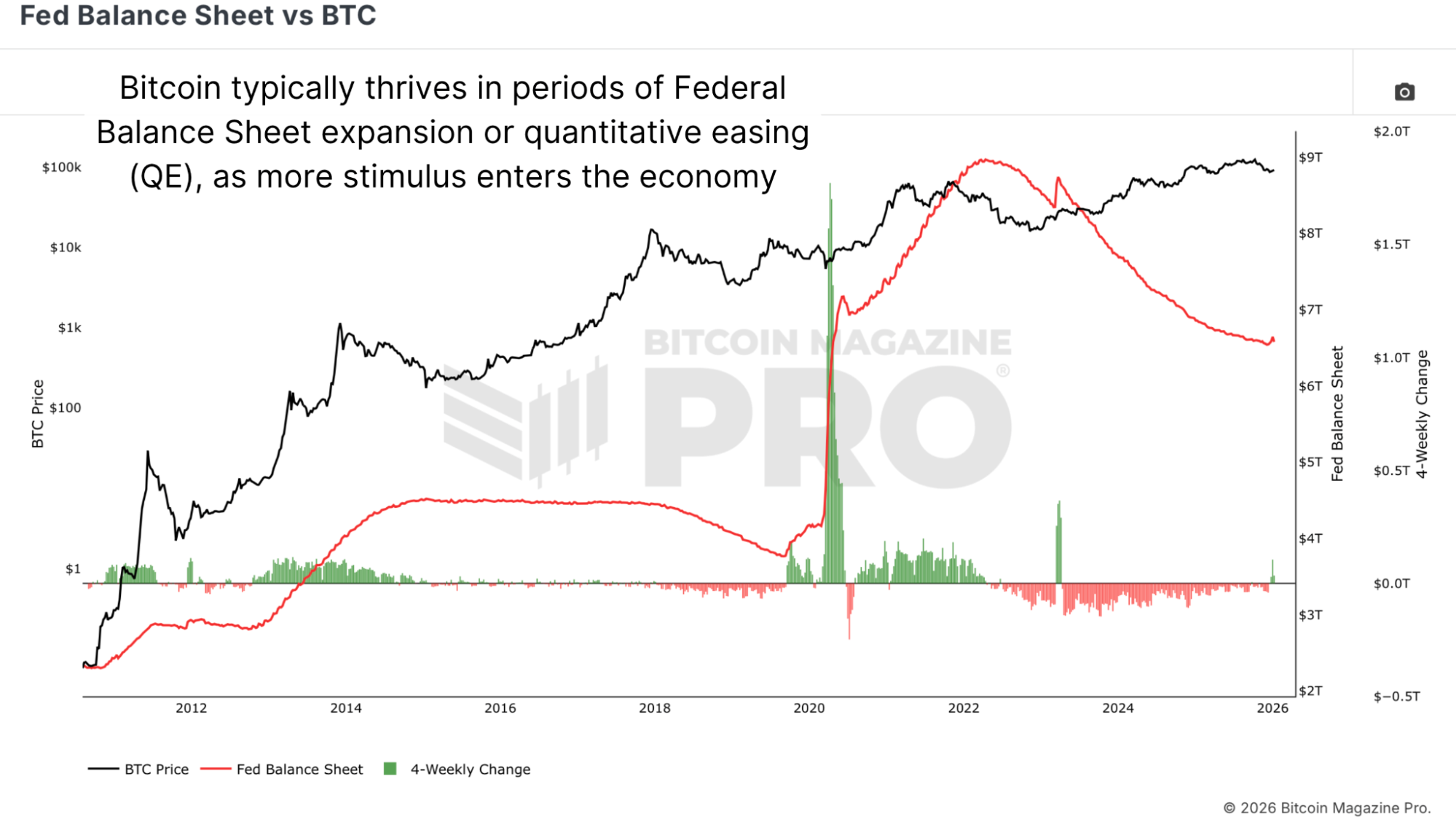
Figure 1: The relationship between the Fed Reserve Balance Sheet and Bitcoin price.
Global M2 Money Supply
The Global M2 Money Supply represents total circulating money worldwide, including cash equivalents and short-term deposits. While many analysts track absolute M2 levels, examining the M2 year-on-year growth rate provides superior insight into Bitcoin price dynamics. The year-on-year perspective captures acceleration or deceleration of monetary expansion rather than absolute levels that naturally trend upward over decades.
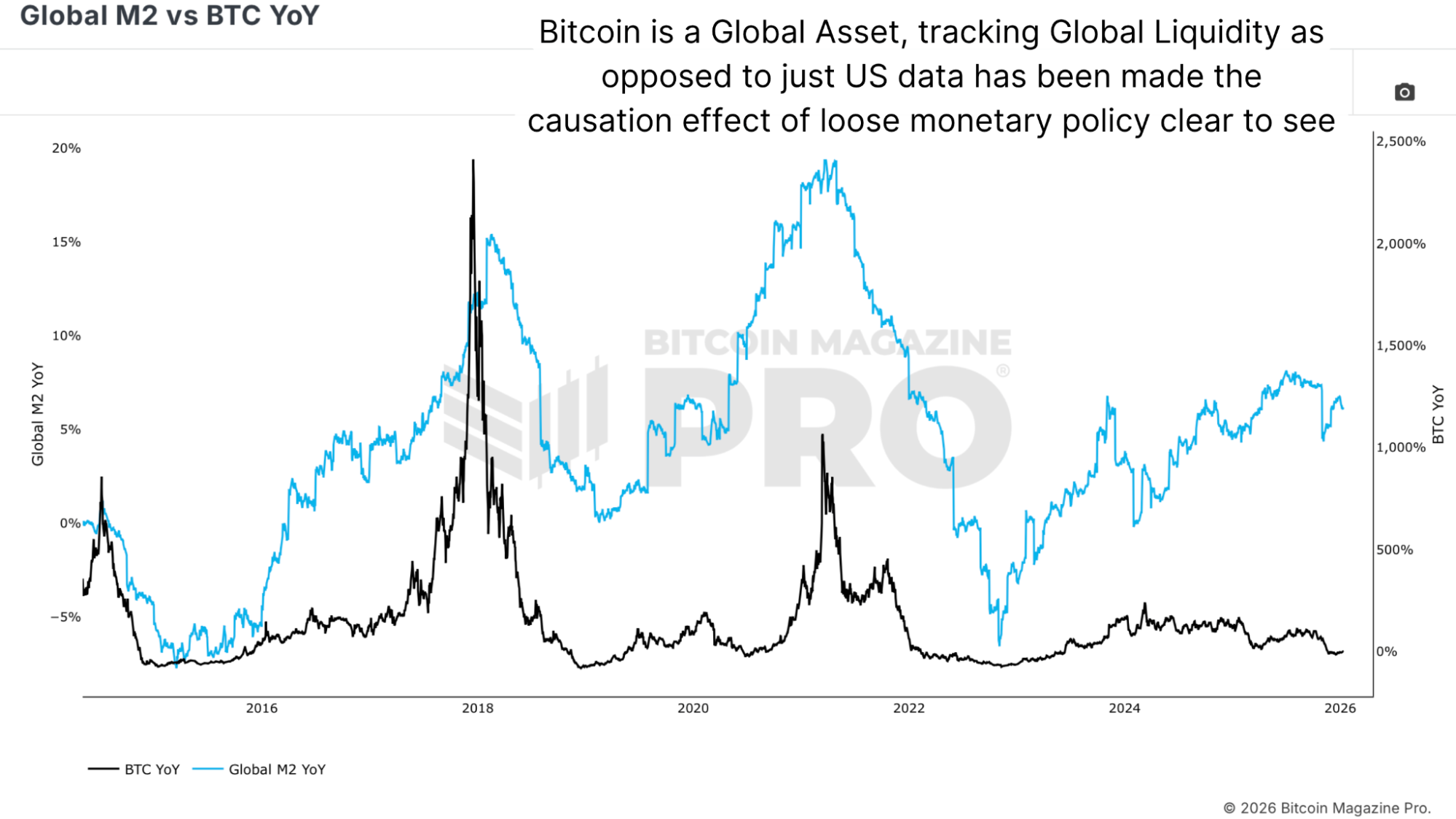
Figure 2: Analyzing the Global M2 Money Supply using a YoY growth rate illustrates its correlation to BTC.
Global M2 year-on-year growth has coincided almost perfectly with Bitcoin’s expansion periods and brutal bear markets. This metric matters because Bitcoin is a global asset, not limited to US investors. Global monetary policy, not just US Federal Reserve policy, drives Bitcoin’s macroeconomic backdrop.
Institutional Flows
The launch of Bitcoin ETFs in recent years fundamentally changed Bitcoin’s capital flow dynamics by enabling institutional investors and large high-net-worth individuals to easily accumulate Bitcoin. ETF Cumulative Flows provide real-time visibility into institutional positioning. Periods of large ETF inflows typically coincide with Bitcoin price acceleration as institutions deploy significant capital. Periods of ETF outflows typically precede or coincide with Bitcoin price declines as institutions reduce exposure.
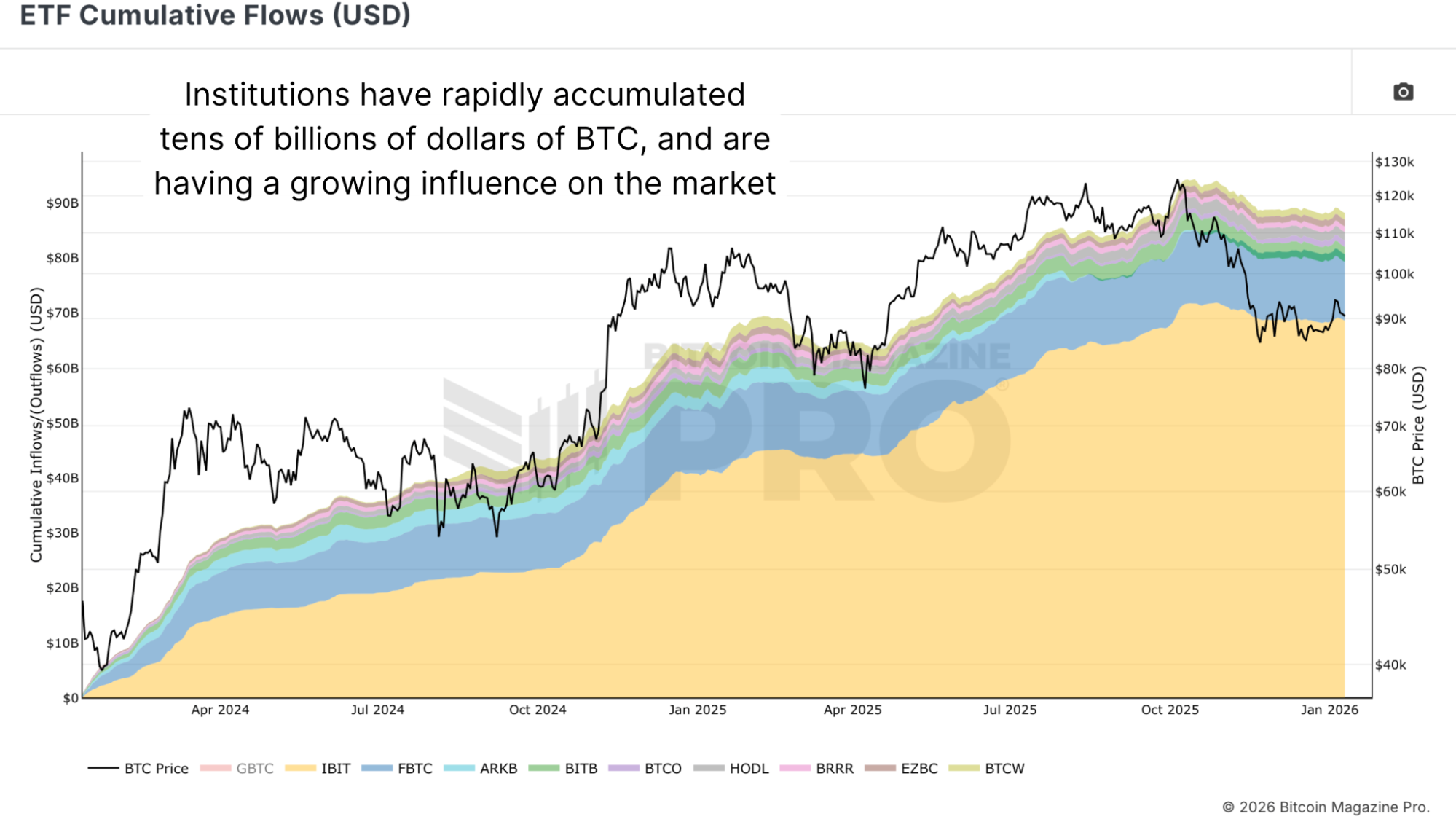
Figure 3: The growth of Bitcoin ETFs.
Dollar Strength
The US Dollar Strength Index (DXY) measures the relative purchasing power of the US dollar compared to a basket of other fiat currencies. Examining DXY year-on-year changes provides superior insight than absolute levels. Bitcoin shows inverse correlation to the DXY. When the DXY weakens year-on-year, it signals favorable conditions for Bitcoin. A weakening dollar makes hard assets like Bitcoin more attractive as dollar holders seek to preserve purchasing power. But when the DXY strengthens year-on-year, it signals headwinds for Bitcoin.
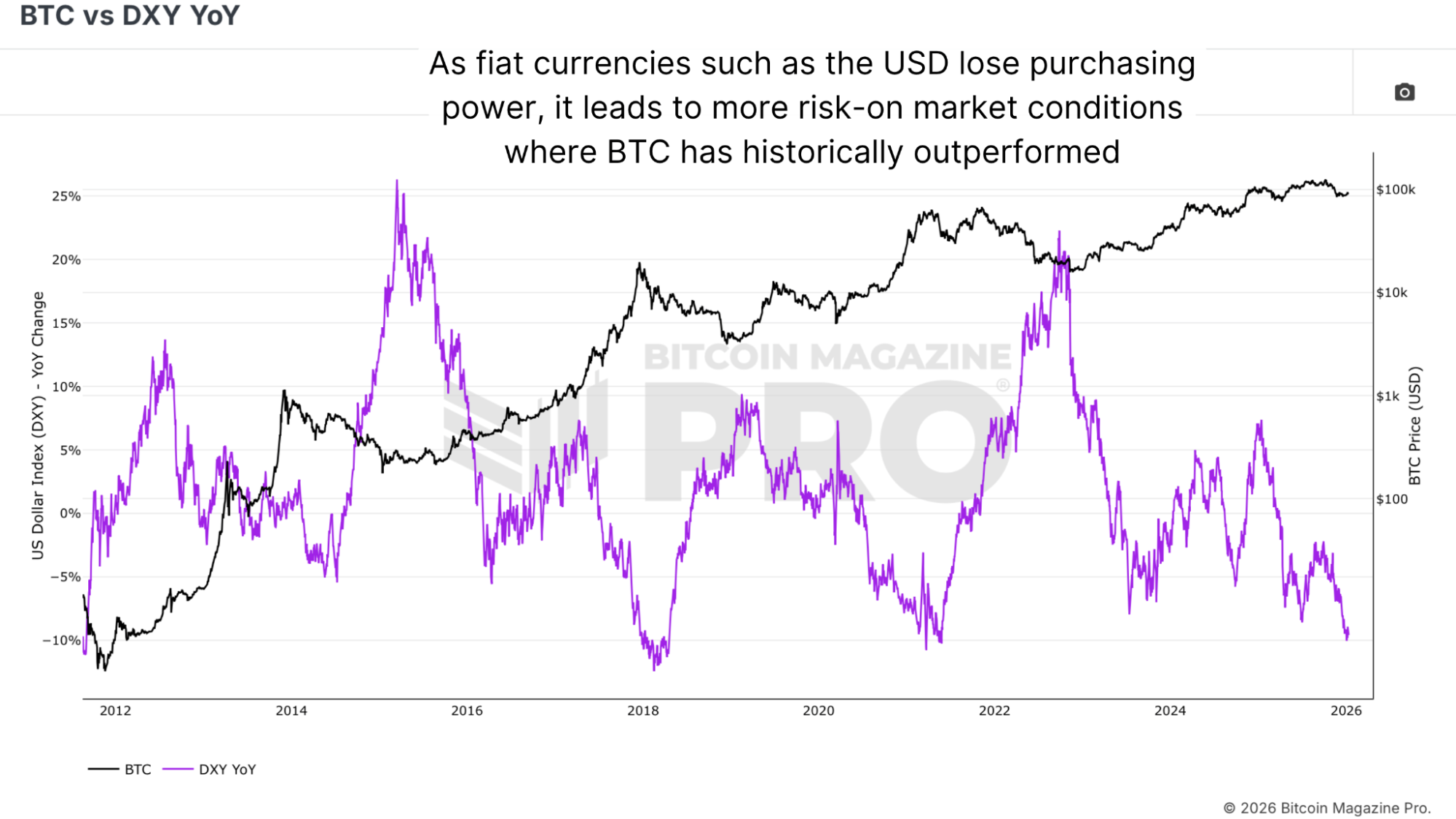
Figure 4: The inverse relationship between YoY US dollar strength and Bitcoin price.
Treasury Company Accumulation
Treasury companies have rapidly accumulated Bitcoin as a corporate strategy, with the top 20 Bitcoin treasury companies now holding around one million Bitcoin. Over 100 public treasury companies worldwide are actively adding Bitcoin to balance sheets. This represents a monumental supply reduction because accumulated Bitcoin typically remains illiquid for extended periods rather than actively traded.
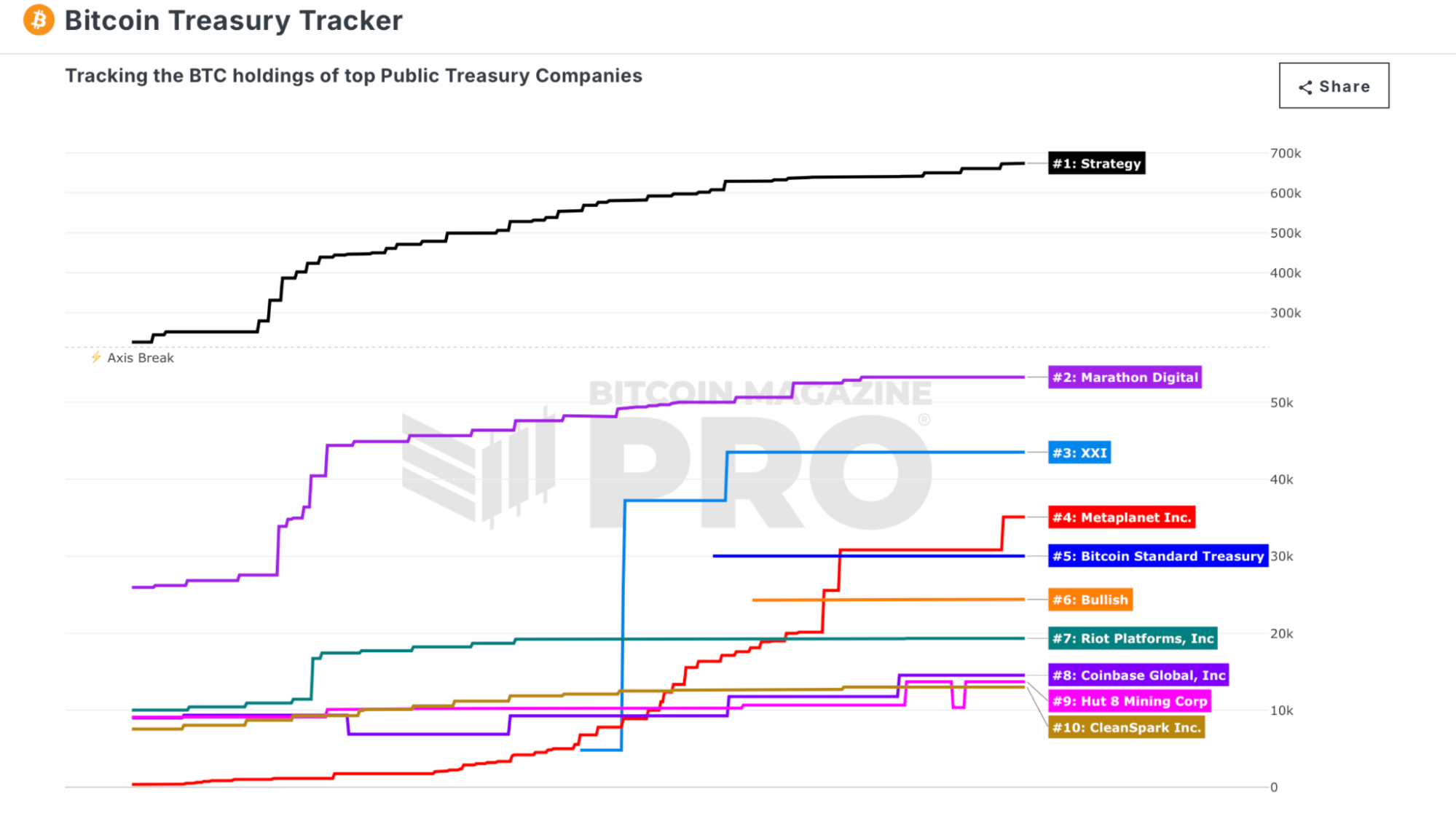
Figure 5: The Bitcoin Treasury Tracker shows the BTC accumulations of the top 10 public treasury companies.
From a purely supply and demand economics perspective, these institutions removing one million Bitcoin from the liquid supply creates structural support. Any asset experiencing hundreds of billions of dollars of capital flowing into it represents genuine conviction and positive sentiment.
Conclusion
Truly understanding Bitcoin requires the simultaneous combination of on-chain metrics, technical analysis, and macroeconomic factors. Bitcoin’s maturation requires sophisticated analysis combining multiple perspectives. Bitcoin Magazine Pro site subscribers gain access to all the metrics discussed, CSV data downloads for custom analysis, and API access for direct network integration. Real-time alerts prevent constant chart monitoring while ensuring critical signals receive immediate attention.
For a more in-depth look into this topic, watch our most recent YouTube video here:
Bitcoin Masterclass #6 | Macro Charts Insights
Matt Crosby
Director of Research & Analytics
La información contenida en este sitio no debe considerarse asesoramiento financiero. Por favor revise la Descargo de responsabilidad para más información.