Is Strategy's 11.5% Yield Product Too Good To Be True?
1 de mayo de 2026
Author: Matt - Director of Research & Analytics
You may have been hearing about STRC, or Stretch, recently. It's a product from Strategy, the company formerly known as MicroStrategy, that's being marketed as a dollar-stable financial instrument paying over 11.5% annually in monthly cash payments, backed by the world's largest bitcoin treasury. If that sounds almost too good to be true, you're asking the right question.
This week at a glance:
- STRC has raised $8.5 billion in around nine months, 5.5 times faster than Strategy's first $8.4 billion into bitcoin.
- Strategy currently holds over 815,000 BTC, with around $21.8 billion in senior financial obligations sitting ahead of common stockholders.
- The product funds itself through a flywheel that works well when bitcoin is appreciating and sentiment is positive, but has clear stress points.
- STRC holders do not have a direct claim to any bitcoin; they hold a preferred claim on residual company assets.
What Strategy Has Built
Before you can understand STRC, you need to understand the structure it sits within. Strategy has constructed a layered capital stack, a hierarchy of financial products that determines who gets paid first if things go wrong.
At the top sits around $8.25 billion of convertible debt, maturing between 2028 and 2032 at near-zero coupons. These bondholders get paid first in any liquidation scenario, no exceptions. Below that comes STRF, a fixed 10% perpetual preferred with no equity upside and cumulative, meaning missed payments accrue and must eventually be settled. Then comes STRC itself, the product we're focused on today. Below that, STRK, which converts into MSTR shares at $1,000 per share, and STRD, a non-cumulative fixed preferred, where missed payments are simply gone. At the very bottom: common MSTR stockholders, who get all the upside but are last in line for everything else and receive no dividend. In total, there are approximately $21.8 billion in senior claims sitting ahead of MSTR common stock.

Figure 1: Strategy’s Capital Stack hierarchy.
The Flywheel
STRC is essentially a near-stable instrument targeting $100 per unit, paying monthly cash dividends at a variable rate currently around 11.5% annually. To understand how this works, it helps to separate two distinct mechanisms that are often conflated.
When Strategy issues STRC through at-the-money offerings, those proceeds go directly into buying bitcoin for the treasury. That's the accumulation engine. The dividend payments themselves are funded separately, through MSTR common stock ATM offerings, which build up a USD cash reserve that is then used to service the preferred dividend obligations across all preferred instruments, including STRC.
STRC isn't funding its own yield. It's funding bitcoin accumulation, while common shareholders bear the dilution cost of maintaining the cash reserve that pays STRC holders. In that sense, STRC separates the bitcoin acquisition mechanism from common dilution, but it creates its own parallel dilution pressure through the growing dividend requirement. It may not reduce total dilution at all; it simply changes where that dilution comes from.

Figure 2: Strategy’s Bitcoin accumulation metrics.
As long as bitcoin is appreciating and MSTR's NAV premium remains above 1.0x, both mechanisms keep working. More STRC capital buys more bitcoin, pushing NAV higher, which keeps the common ATM viable to fund dividends. The flywheel reinforces itself.
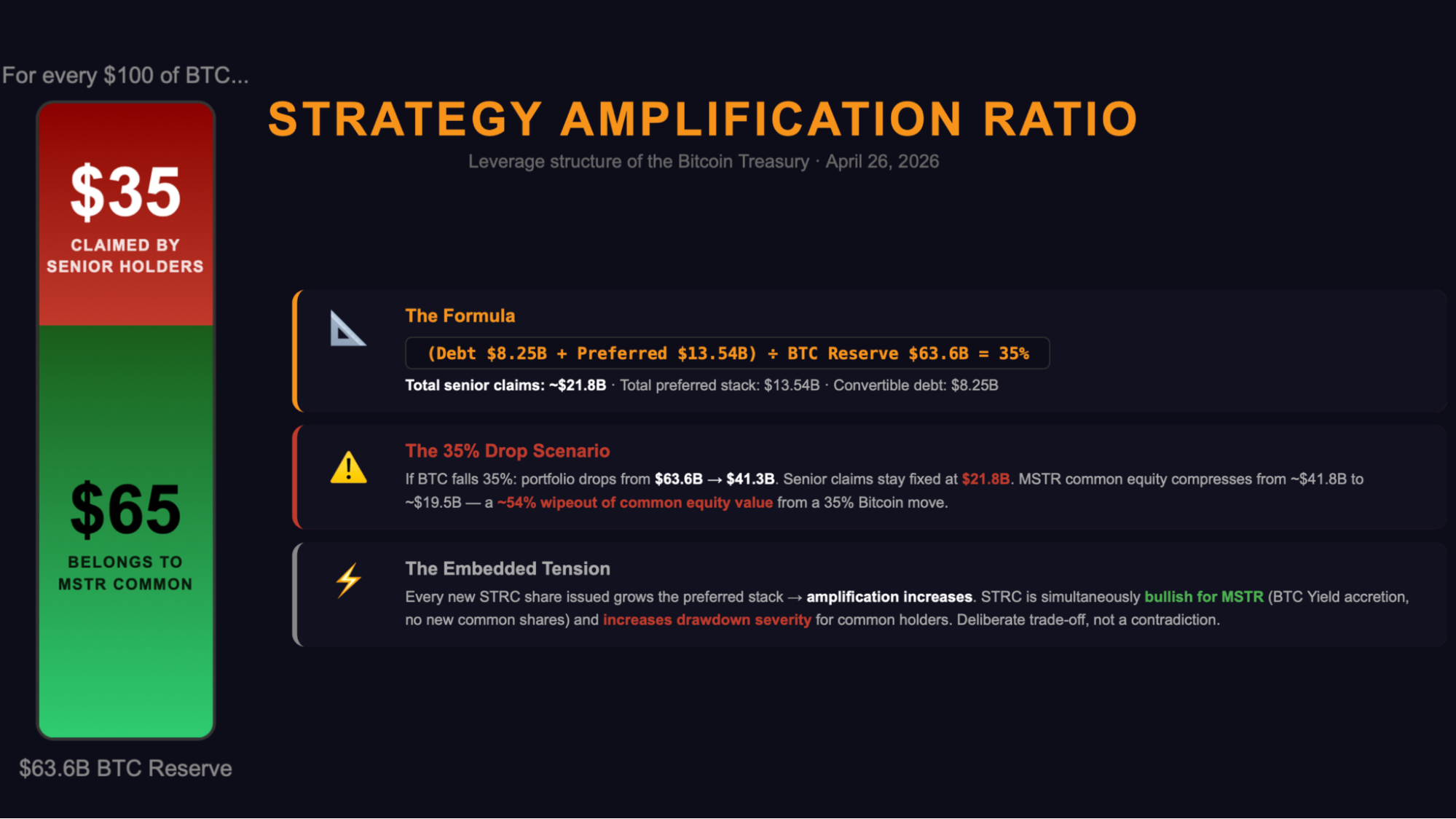
Figure 3: The Strategy amplification ratio explained.
Where It Breaks
Here's the part fewer people are discussing. STRC needs to trade above approximately $95 for its ATM offering to remain viable. If confidence deteriorates and STRC drops and stays below that threshold, the bitcoin accumulation window through STRC closes.
Separately, if MSTR's common stock NAV premium compresses significantly, the common ATM becomes less efficient at building the USD reserve needed to pay dividends. At that point, Strategy falls back on its existing USD reserve, currently around $2.25 billion, which buys roughly a year and a half of runway at current dividend obligations. After that, if no capital-raising mechanism remains viable, Strategy would need to sell bitcoin to fund operations. And selling bitcoin puts downward pressure on the very asset the entire structure depends on.

Figure 4: STRC in a bear market scenario.
There's also a legal point worth being clear on. STRC is backed by Strategy's general preferred claim on residual assets, not by bitcoin directly. Holding STRC does not give you a direct claim to any bitcoin on Strategy's balance sheet. You have a preferred position ahead of common stockholders in a distribution scenario, but that is a meaningfully different thing from holding bitcoin itself.
Is It A Ponzi?
This question comes up constantly, and the honest answer is: in terms of cash mechanics, yes, STRC holders are currently paid primarily by capital flowing in from new STRC buyers rather than from bitcoin yield or operating revenue. The cash flow structure, in isolation, is mechanically identical to a Ponzi scheme.

Figure 5: STRC’s vital statistics.
But the critical distinction is that every dollar raised is deployed into bitcoin, a real, independently traded asset with a fixed and verifiable supply. The structure isn't fabricating returns from nothing; it's converting capital inflows into a real asset and betting that asset appreciates. Whether that bet pays off is a function of bitcoin's long-term trajectory, not of accounting fraud. It's not a traditional Ponzi, but it does require continuous capital inflows and a supportive bitcoin price to function as intended.
Closing Thoughts
So is STRC too good to be true? The answer depends almost entirely on what you believe about Bitcoin long-term. If you believe bitcoin appreciates meaningfully from here, STRC converts that conviction into monthly income with risk-adjusted characteristics that are difficult to match elsewhere. If you don't believe bitcoin continues higher, the entire structure, STRC, and potentially MSTR with it, will eventually face serious stress tests.
What I'd caution against is treating the 11.5% yield as risk-free income. It isn't. It's bitcoin-correlated income with a specific set of structural dependencies. Understanding those dependencies is the bare minimum before putting capital to work in this product.
For a more in-depth look into this topic, a research guide can be found here:
STRC Explained: How Strategy's Stretch Preferred Stock Works
And watch our most recent YouTube video here:
I Stress Tested STRC's 11.5% Yield — Is It Too Good To Be True?
Matt Crosby (@MattCrosbyPro)
Director of Research & Analytics
La información contenida en este sitio no debe considerarse asesoramiento financiero. Por favor revise la Descargo de responsabilidad para más información.